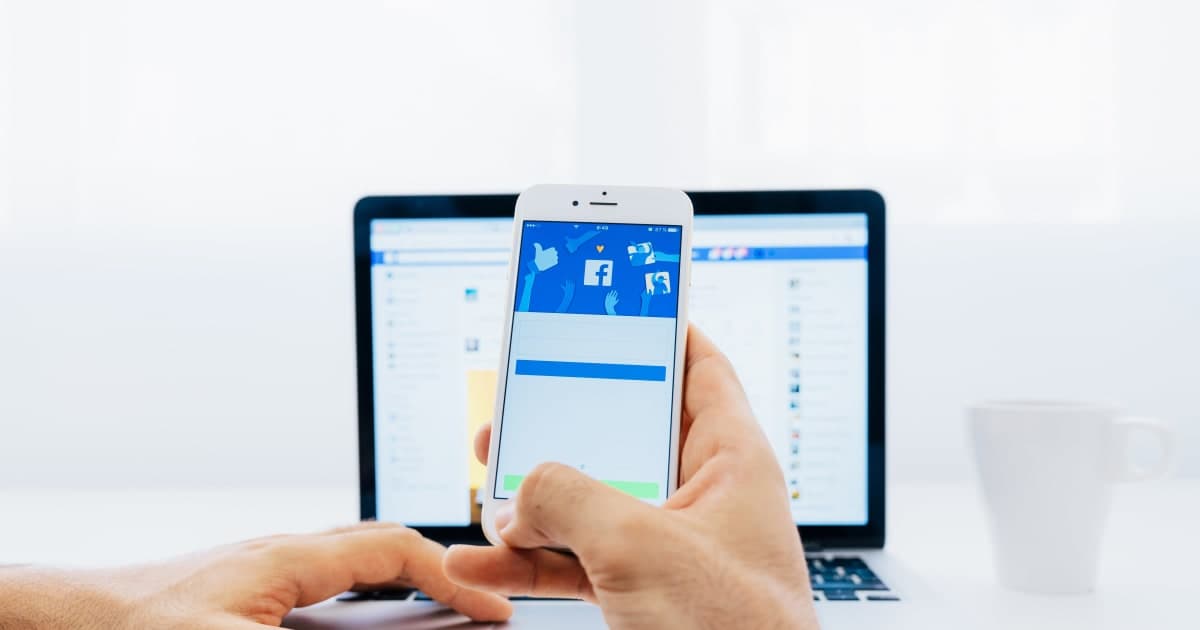
Facebook remains one of the most powerful social media platforms in the world, connecting billions of people daily. But have you ever wondered why you see certain posts in your feed and not others? That’s all. Thanks to the Facebook algorithm, a complex system designed to show content you’re most likely to engage with.
In this guide, we’ll break down how the Facebook algorithm works in 2026, share strategies to increase your reach, and explain the rules and signals behind what appears on your feed. We’ll also mention how businesses like EurosHub use these insights to improve social media engagement.
What Is the Facebook Algorithm?
The Facebook algorithm is a set of computer rules that determines the order of posts in your News Feed. Its goal is simple: show you content that matters most to you. Facebook no longer displays posts in strict chronological order; instead, it prioritizes relevance, engagement, and personal interest.
Over the years, the algorithm has evolved. In 2026, it will use AI-driven predictions and machine learning models to determine which posts are likely to keep users engaged. These predictions are based on your interactions, preferences, and behavior on the platform.
Key Factors That Affect the Facebook Algorithm
Understanding the key factors behind the algorithm is essential if you want to improve your content reach. Here are the main elements:
1. User Engagement
Facebook looks at how users interact with posts. This includes likes, shares, comments, and reactions. Posts with higher engagement are more likely to appear in feeds.
Example: If your friend often comments on your posts, Facebook will show them your new content first.
2. Relevance Score
The algorithm assigns a relevance score to each post. This score predicts how interesting a post will be to you. Factors influencing relevance include:
The type of content you typically engage with
Topics you follow
Pages and groups you’re active in
3. Relationships
Facebook prioritizes content from people you know and interact with often. This is sometimes called the “people you know” algorithm, which emphasizes friends, family, and groups you’re connected to.
4. Content Type
Different users prefer different types of content, such as videos, photos, or links. The algorithm detects your preferences and shows more of what you like.
Pro Tip: Videos, especially short-form, get more reach due to higher engagement signals.
5. Timeliness
While Facebook is less chronological than before, recency still matters. New posts are generally favored over older ones, but highly engaging older content can resurface.
How Facebook Decides What to Show You
The Facebook algorithm predicts the probability of your interaction with a post. It considers:
Who posted it: Friends, pages, or groups
Your history: Previous engagement with similar content
Content type: Text, image, video, live stream
Popularity: Number of reactions, shares, and comments
Post timing: Fresh posts have higher chances of showing up
The algorithm assigns a score to every post, and the highest-scoring posts appear first in your feed.
The 24-1 Rule on Facebook
The 24-1 rule is a guideline many social media managers follow to maximize organic reach. In simple terms, it suggests:
Share 24 pieces of content from others for every 1 post of your own.
This helps maintain engagement by keeping your audience interested in both your content and relevant external content. Over time, this approach signals to Facebook that you provide value, increasing your content visibility.
How the People You Know Algorithm Works
Facebook uses a special mechanism called the “people you know algorithm” to prioritize posts from friends and close connections. Here’s how it works:
Interaction frequency: How often you interact with a person’s posts
Profile connections: Friends of friends or mutual groups
Engagement types: Comments and shares weigh more than likes
Message activity: Conversations in Messenger also signal relevance
This algorithm ensures your feed prioritizes content from people you genuinely care about, rather than random pages.
How to Increase Your Facebook Algorithm Reach (2026)
If you’re managing a business page or personal brand, understanding how to work with the Facebook algorithm is key. Here are strategies to increase reach:
1. Post Engaging Content
High-quality, interesting, and interactive posts get more engagement. Use polls, quizzes, or questions to prompt user interaction.
2. Optimize Video Content
Short videos and live streams tend to perform better in 2026 due to Facebook’s AI prioritization. Use captions and clear visuals to keep viewers engaged.
3. Post Consistently
Consistency signals that your page is active. Regular posting improves visibility and keeps your audience engaged.
4. Leverage User Interaction
Respond to comments and messages quickly. Interaction signals to Facebook that your content is valuable.
5. Use Semantic Keywords
Instead of keyword stuffing, focus on related terms and contextually relevant phrases. For example, instead of repeating “Facebook algorithm,” include phrases like “News Feed ranking,” “AI content prioritization,” or “social media engagement strategies.”
6. Encourage Sharing
Encourage your audience to share posts. Shares are a strong engagement signal for Facebook’s algorithm.
The Role of AI in the Facebook Algorithm
Facebook now uses AI-driven models to predict which content will engage users. Machine learning analyzes:
Past user behavior
Engagement patterns
Content type preferences
This allows Facebook to dynamically adapt your feed to show the most relevant posts. AI also helps detect spam or low-quality content, ensuring a smoother user experience.
How Businesses Like EurosHub Use Facebook Algorithms
Businesses like EurosHub leverage insights from the Facebook algorithm to maximize digital marketing results. By understanding which content performs best, EurosHub can:
Boost brand visibility
Engage targeted audiences
Drive traffic to web development, SEO, and software services pages
Optimize posting schedules for maximum reach
Emerging Trends in the Facebook Algorithm (2026)
Short-form video prioritization: Facebook Reels now dominate feeds.
AI-driven content curation: Personalized content tailored to interests.
Interactive posts: Polls, questions, and quizzes have higher reach.
Focus on communities: Group interactions weigh more than general posts.
Reduced clickbait tolerance: Low-quality links and sensational content are penalized.
Common Misconceptions About the Facebook Algorithm
Chronology is everything: False. Engagement and relevance matter more than post timing.
Keyword stuffing boosts reach: False. Facebook now uses semantic analysis to rank posts.
More posts always mean more visibility: False. Quality and engagement matter more than quantity.
FAQs (People Also Ask)
1. How do I increase my Facebook algorithm? (2026)
Focus on creating engaging, high-quality content. Use videos, interact with users, post consistently, and leverage semantic keywords. Encourage shares, comments, and reactions to signal value to Facebook’s algorithm.
2. What is the 24-1 rule on Facebook?
The 24-1 rule suggests sharing 24 pieces of content from others for every 1 post of your own. This maintains engagement and boosts your content visibility organically.
3. How does Facebook decide what to show you?
Facebook predicts the likelihood you’ll engage with a post. It considers your interactions, connections, content type preferences, post popularity, and timing to rank posts in your feed.
4. How does the people you know algorithm work on Facebook?
It prioritizes posts from friends and close connections based on interaction frequency, mutual connections, engagement type, and Messenger activity. The more you interact with a post, the higher it appears in your feed.
5. How does AI influence the Facebook algorithm?
AI predicts engagement, ranks posts, and filters low-quality content. It ensures users see the most relevant posts based on behavior, preferences, and interaction history.
Conclusion
Understanding how the Facebook algorithm works in 2026 is essential for both casual users and businesses. By focusing on engagement, semantic relevance, AI-driven insights, and community interactions, you can maximize visibility and reach.
Businesses like EurosHub utilize these strategies to effectively connect with their audiences, enhance engagement, and drive traffic to services such as web development, SEO, and software solutions.
Mastering the Facebook algorithm is about quality, interaction, and consistency, rather than trying to game the system. By following these principles, you can ensure your posts reach the right people at the right time.